Keystone
Granite

Natural Stones

Premium Materials

Types of Natural Stone

There are four major types of natural stone used for countertops. Each stone carries its own geological story, unique mineral blend, aesthetic profile, and performance characteristics.

Whether you prefer the supreme durability of Granite, the marble-like elegance and extreme hardness of Quartzite, the sophisticated timeless appeal of Marble, or the rustic earthiness of Travertine, we can help select and fabricate the ideal fit for your design.

Have a question?

Give us a call and we can help match your project to the right stone.

(210) 651-1786
01

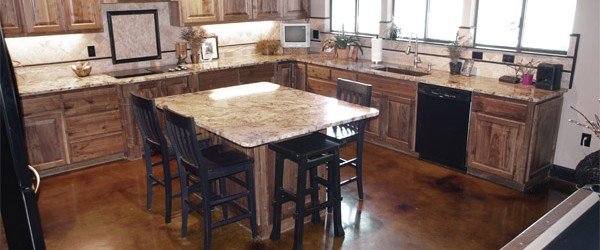
Granite has been a popular choice for countertops for many years due to its durability, heat resistance, and aesthetic appeal. Here's a closer look at granite as a countertop material:

Origin & Composition

A natural stone formed from the cooling of molten rock under the Earth's surface. Composed mainly of quartz and feldspar with minor amounts of mica, amphiboles, and other minerals that give granite its unique colors and patterns.

Appearance

Varies significantly due to complex mineral composition. Colors range from earth tones like brown, beige, and tan, to black, white, blue, green, red, and more. Patterns can be small and homogeneous or dramatic with large veins or speckles.

Durability

One of the hardest natural stones, scoring a 6-7 on the Mohs hardness scale. Highly resistant to scratches and can withstand high heat from hot pots or pans. However, excessive force can still chip or crack the stone.

Maintenance

Granite countertops are porous and need to be sealed to prevent staining, typically every one to five years depending on use. Daily cleaning should be done with warm water, mild dish soap, and a soft cloth; avoid harsh cleaners.

02

Quartzite is a highly sought-after material for countertops, due to its strength, beauty, and the elegance it adds to a space. Here are some details about it:

Origin & Composition

A natural stone that is formed when quartz-rich sandstone is subjected to high heat and extreme pressure over millions of years. It consists predominantly of quartz, a very hard mineral. It is 100% natural, unlike man-made engineered quartz.

Appearance

Comes in a wide range of patterns and colors, with white and grey being the most common. Some varieties have streaks of pink, red, yellow, blue, green, or orange. Its subtle patterns often closely resemble luxury marble.

Durability

Incredibly durable material, scoring a 7 on the Mohs hardness scale. Highly resistant to heat, scratches, and etching, making it perfect for high-traffic areas. Can chip or crack if hit with heavy force.

Maintenance

More porous than some stone options and susceptible to stains. Should be sealed at installation and re-sealed every one to three years, depending on use and stone type. Routine cleaning is done with mild soap and water.

03

Marble is a timeless and classic choice for countertops, known for its sophisticated elegance and natural beauty. Here's a detailed look at marble as a countertop material:

Origin & Composition

A metamorphic rock resulting from the metamorphism of limestone, composed largely of calcite or dolomite. This natural stone is mined from deep quarries around the world.

Appearance

Features an incredibly unique and luxurious appearance. Comes in a variety of colors including white, black, green, and pink, with beautiful veining ranging from subtle to dramatic. Famous Carrara marble is bluish-gray with feathery veining.

Durability

Relatively soft stone, scoring around 3-5 on the Mohs scale. More susceptible to scratches and chips than granite. Sensitive to high heat, so hot pots or pans can leave marks if placed directly.

Maintenance

Porous and prone to staining, especially from acidic substances like lemon juice, vinegar, or red wine. Must be sealed at installation and re-sealed every six months to a year. Clean with a soft cloth and a non-acidic stone cleaner.

04

Travertine is a type of limestone that's formed in hot springs and caves, known for its distinctive beauty and earthy aesthetic. Here is a detailed look at travertine as a countertop material:

Origin & Composition

A sedimentary rock formed by the rapid precipitation of calcium carbonate, often at the mouth of hot springs or limestone caves. It is closely related to marble but formed via a different geological process.

Appearance

Has a natural, rustic look with a textured, pitted surface. Available in a variety of earth tones (beige, brown, tan, and rust). Its characteristic holes and troughs are usually filled and sealed for a smooth finish when made into counters.

Durability

Softer and more porous than most other natural stones. Less resistant to scratches, stains, and heat. Typically recommended for lower-traffic areas like bathroom vanities, rather than high-use kitchen counters.

Maintenance

Requires regular sealing to prevent staining and water absorption. Must be cleaned with dedicated stone cleaners to avoid surface damage. Acidic or abrasive cleaners will etch or scratch the travertine surface.

Top